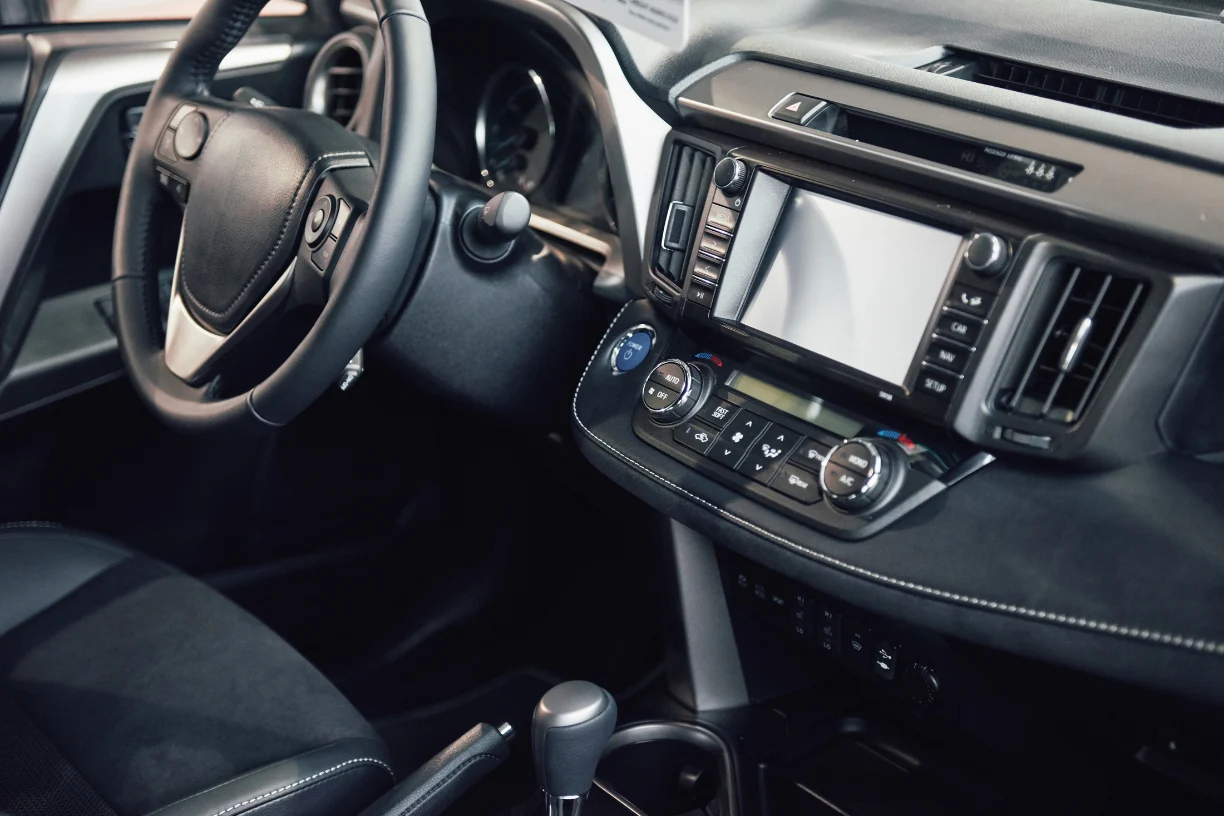
How Market Knowledge Influences LHD Sale Success

How Market Knowledge Influences LHD Sale Success

Valuation Form

Need Help ?

For any queries you can get in touch with us.

Market knowledge is one of the most powerful drivers of LHD Sale Success. In the global automotive trade, understanding buyer behavior, regional demand, pricing trends, and regulatory requirements makes the difference between a fast, profitable sale and a slow, discounted transaction. Sellers who rely on data and industry insight position themselves ahead of competitors who depend on guesswork.

In an increasingly interconnected marketplace, informed decisions create smoother processes, stronger buyer confidence, and higher returns. Simply put, knowledge transforms opportunity into measurable LHD Sale Success.

Understanding Regional Demand Patterns

Not all markets respond to the same types of vehicles. Some regions prefer compact fuel-efficient cars, while others prioritize SUVs, commercial vehicles, or luxury models. Sellers who understand these regional preferences can align their inventory with active demand.

This alignment significantly improves LHD Sale Success. When a vehicle enters a market where it is already in demand, buyers compete, negotiation time shortens, and final prices strengthen. On the other hand, placing a vehicle in a weak or oversaturated market often leads to reduced offers and longer listing periods.

Timing the Market Strategically

Market knowledge also includes understanding seasonal and economic trends. Demand for certain vehicle categories can fluctuate throughout the year due to business cycles, weather conditions, or economic changes.

Sellers who monitor these trends improve their chances of LHD Sale Success by listing vehicles at the right time. For example, launching inventory when buyer activity peaks can generate stronger inquiries and faster deals. Strategic timing ensures that sellers capture maximum value rather than reacting to slow-moving conditions.

Pricing with Precision

Accurate pricing remains central to LHD Sale Success. Market knowledge allows sellers to analyze comparable vehicles, track recent transactions, and adjust prices based on supply and demand.

Overpricing can discourage serious buyers, while underpricing leaves money on the table. Data-driven pricing strikes the right balance. Sellers who understand true market value build credibility and attract qualified buyers who recognize fair offers. This balanced approach leads to smoother negotiations and higher closing rates.

Navigating Regulatory Requirements

International vehicle sales often involve complex import and export regulations. Sellers who stay informed about documentation requirements, compliance standards, and customs procedures reduce the risk of delays.

Strong regulatory awareness directly supports LHD Sale Success. When paperwork is accurate and prepared in advance, transactions move efficiently. Buyers feel reassured when they know the vehicle meets destination requirements, which strengthens trust and speeds up completion.

Identifying the Right Buyer Segments

Market knowledge helps sellers target the most suitable buyer groups. Instead of marketing broadly, informed sellers focus on segments most likely to purchase specific models.

Targeted outreach improves LHD Sale Success because marketing efforts become more effective and cost-efficient. By connecting with serious buyers rather than casual browsers, sellers shorten sales cycles and reduce negotiation friction.

Leveraging Data and Digital Tools

Modern automotive trade relies heavily on analytics and digital platforms. Sellers who use data tools to monitor buyer inquiries, engagement metrics, and listing performance gain valuable insights.

This information strengthens LHD Sale Success by highlighting what works and what needs adjustment. If certain listings attract limited attention, sellers can refine descriptions, adjust pricing, or reposition the vehicle in a more suitable market. Continuous analysis leads to smarter decisions and better outcomes.

Managing Risk Through Insight

Every international transaction carries some level of risk, whether financial, logistical, or regulatory. Market knowledge helps sellers anticipate challenges before they arise.

By understanding shipping timelines, currency fluctuations, and buyer payment behaviors, sellers improve the stability of their operations. Risk management supported by data enhances LHD Sale Success by preventing unexpected disruptions that could reduce profitability.

Building Long-Term Credibility

Consistent results build reputation. Sellers who demonstrate strong market understanding earn trust from buyers and partners alike. Over time, this credibility generates repeat business and referrals.

Sustained LHD Sale Success depends not only on individual transactions but also on long-term relationships. Knowledge-driven professionalism encourages buyers to return, knowing they are dealing with informed and reliable sellers.

The Conclusion

In the competitive world of international automotive trade, market knowledge serves as a foundation for LHD Sale Success. From pricing accuracy and demand analysis to regulatory awareness and risk management, informed decision-making strengthens every stage of the selling process.

Sellers who invest in research, data tools, and industry insight gain a measurable advantage. They reduce uncertainty, improve efficiency, and maximize vehicle value. Ultimately, knowledge does more than support sales it drives sustainable LHD Sale Success in a dynamic global market.

Tags :
Left Hand Drive Car,Sell Left Hand Drive Car

Operational Efficiency in the LHD Marketplace

Operational Efficiency in the LHD Marketplace

Valuation Form

Need Help ?

For any queries you can get in touch with us.

Operational efficiency plays a defining role in the success of businesses operating in the LHD Marketplace. Since cross-border vehicle trade involves multiple moving parts, companies must streamline processes to reduce delays, control costs, and improve customer satisfaction. When operations run smoothly, both buyers and sellers benefit from faster transactions and more predictable outcomes.

A well-organized system allows professionals in the LHD Marketplace to handle complex logistics, documentation, and communication without unnecessary setbacks. Efficiency not only improves profitability but also strengthens long-term trust in an increasingly competitive global industry.

Structured Vehicle Intake and Assessment

Efficiency begins at the very first stage of a transaction. In the LHD Marketplace, structured vehicle intake procedures help ensure that each car is evaluated accurately and prepared properly for sale. Standardized inspections, condition reports, and documentation checks prevent misunderstandings later in the process.

When businesses follow a consistent intake system, they reduce time spent correcting errors or chasing missing details. This proactive approach allows the LHD Marketplace to function with greater speed and reliability from the start.

Centralized Documentation Management

Handling paperwork efficiently is essential in the LHD Marketplace. Every vehicle sale involves ownership verification, export approvals, compliance certificates, and customs documentation. Without an organized system, paperwork errors can cause costly delays.

Centralized documentation management allows teams to store, review, and share records quickly. Digital tools and standardized checklists help ensure accuracy while minimizing duplication of effort. As a result, transactions move forward smoothly and buyers receive the information they need without repeated follow-ups.

Coordinated Logistics Planning

Logistics coordination directly affects performance in the LHD Marketplace. Shipping schedules, transport methods, and handling procedures must align to avoid delays and damage. When logistics teams plan efficiently, they reduce idle time and prevent last-minute disruptions.

Professionals who use reliable carriers and clear scheduling systems keep vehicles moving on time. In addition, shipment tracking improves visibility for both buyers and sellers. Efficient logistics management strengthens the overall reliability of the LHD Marketplace and supports consistent delivery timelines.

Clear Communication Channels

Strong communication reduces misunderstandings and keeps operations aligned. In the LHD Marketplace, multiple parties often participate in a single transaction, including sellers, buyers, logistics providers, and customs agents. Without clear communication, small issues can quickly escalate into major delays.

Standard communication protocols help teams share updates, confirm milestones, and resolve concerns quickly. Regular progress reports and clear points of contact improve coordination and prevent confusion. Efficient communication therefore supports smoother workflows across every stage of the process.

Standardized Compliance Procedures

Regulatory compliance is a major part of cross-border vehicle trade. In the LHD Marketplace, standardized compliance checks ensure that vehicles meet import and export requirements before shipment. This reduces the risk of customs holds or rejections.

Teams that follow consistent compliance workflows can verify documentation and regulatory standards more quickly. By addressing legal requirements early, businesses prevent costly delays and maintain smooth international operations.

Performance Monitoring and Continuous Improvement

Operational efficiency requires ongoing evaluation. Businesses active in the LHD Marketplace track performance metrics such as processing times, delivery accuracy, and customer satisfaction. Monitoring these indicators helps identify bottlenecks and areas for improvement.

Continuous improvement strategies allow organizations to refine workflows, strengthen partnerships, and reduce recurring issues. Over time, these improvements make the LHD Marketplace more reliable and cost-effective for everyone involved.

Efficiency Drives Marketplace Success

Operational efficiency is not just an internal advantage; it shapes the entire customer experience in the LHD Marketplace. From structured intake and organized documentation to coordinated logistics and smart technology use, each step contributes to faster and safer transactions.

When businesses commit to efficient systems and continuous improvement, they reduce risks, control costs, and deliver consistent results. In a global industry where timing and trust matter, operational excellence remains one of the most powerful drivers of success in the LHD Marketplace.

Tags :
Left Hand Drive Car,Sell Left Hand Drive Car

How Trusted Selling Processes Support LHD Sellers

How Trusted Selling Processes Support LHD Sellers

Valuation Form

Need Help ?

For any queries you can get in touch with us.

Selling vehicles across borders can be complex, especially when regulations, logistics, and buyer expectations differ from one market to another. For LHD Sellers, a trusted selling process is essential to ensure transactions run smoothly, securely, and profitably. Structured systems reduce uncertainty, build buyer confidence, and help sellers achieve fair market value without unnecessary delays.

A professional and transparent process not only protects the vehicle owner but also strengthens the credibility of the entire transaction. When LHD Sellers rely on proven methods, they position themselves for consistent success in a competitive international market.

Clear Vehicle Evaluation and Pricing

A reliable process begins with an accurate vehicle assessment. Professional evaluations help LHD Sellers understand the true market value of their car based on condition, mileage, demand, and regional trends. Without proper pricing guidance, sellers risk undervaluing their vehicle or pricing it too high and discouraging buyers.

When experts handle valuations, they use data-driven comparisons and current market insights. This structured approach ensures that LHD Sellers receive competitive offers while maintaining realistic expectations. Fair pricing also builds trust with buyers, which increases the likelihood of a successful and timely sale.

Transparent Documentation Handling

Paperwork is one of the most critical aspects of international vehicle sales. Trusted selling processes guide LHD Sellers through documentation requirements, including ownership records, service history, export paperwork, and compliance certificates.

Proper documentation reduces the risk of disputes and delays. Buyers feel more confident when records are complete and easy to verify. A structured system ensures that every document is reviewed before listing the vehicle, preventing last-minute complications that could interrupt the transaction.

Secure Buyer Verification

Finding serious and legitimate buyers is a major concern for many LHD Sellers. Open marketplaces can expose sellers to time-wasters or fraudulent inquiries. A trusted selling process includes buyer screening and verification to ensure that only qualified buyers move forward.

Professional platforms and services often pre-check buyer intent, financial capability, and transaction readiness. This protects LHD Sellers from unnecessary negotiations and reduces the risk of payment-related issues. As a result, sellers can focus on genuine opportunities rather than sorting through unreliable leads.

Managed Negotiation Support

Negotiations can be challenging, particularly in cross-border deals where cultural and market differences influence expectations. Trusted systems provide negotiation support that helps LHD Sellers secure strong offers without feeling pressured or uncertain.

Experts understand market trends and buyer behavior, allowing them to handle discussions strategically. This ensures that pricing remains fair while still appealing to buyers. With professional guidance, LHD Sellers often achieve better outcomes than they would through independent negotiations.

Safe and Organized Payment Processes

Secure payment handling is a cornerstone of a trusted selling process. LHD Sellers benefit from structured payment systems that protect both parties and reduce financial risk. These systems may include escrow services, verified transfers, or staged payment agreements.

By using secure channels, sellers avoid common pitfalls such as delayed payments or fraudulent transactions. A professional process confirms funds before vehicle release, giving LHD Sellers peace of mind and financial security throughout the transaction.

Coordinated Logistics and Handover

Transporting a vehicle internationally requires careful planning. Trusted selling processes assist LHD Sellers with logistics coordination, ensuring vehicles are collected, shipped, and delivered safely. Proper handling reduces the risk of damage and ensures the vehicle reaches its destination in the agreed condition.

In addition, organized handover procedures help finalize documentation and confirm receipt. This structured transition marks the completion of the sale while maintaining professionalism on both sides.

Ongoing Support and Relationship Building

Support does not always end once the vehicle is delivered. Many LHD Sellers benefit from post-sale assistance, such as confirmation of registration documents or follow-up communication with buyers. Continued support strengthens trust and encourages repeat business or referrals.

A trusted process builds long-term relationships rather than focusing on one-time transactions. Over time, LHD Sellers who use professional selling systems develop a strong reputation and gain easier access to future opportunities.

Trust Creates Better Selling Outcomes

For LHD Sellers, a trusted selling process transforms a complicated transaction into a manageable and secure experience. From pricing and documentation to buyer verification, payment protection, and logistics coordination, each step plays a role in ensuring success.

By relying on structured and professional systems, sellers reduce risks, save time, and improve their chances of achieving the best possible value. In a global automotive market where trust matters more than ever, dependable selling processes remain one of the strongest assets LHD Sellers can have.

Tags :
Left Hand Drive Car,Sell Left Hand Drive Car

Why Selling Channels Matter in the LHD Market Sales

Why Selling Channels Matter in the LHD Market Sales

Valuation Form

Need Help ?

For any queries you can get in touch with us.

Selling a left-hand drive vehicle is not just about finding a buyer, it is about finding the right buyer through the right channel. In today’s competitive automotive landscape, the choice of selling platforms directly affects speed, pricing, and overall success in LHD Market sales. While many private sellers attempt to navigate this space alone, professional services like Sell the LHD Car simplify the process and help owners secure stronger returns with far less stress.

The Power of the Right Selling Channel

Different markets respond to different selling channels. Some buyers prefer direct dealership networks, while others search through export brokers or specialized automotive platforms. In LHD Market sales, using the wrong channel can lead to low offers, delayed transactions, or limited visibility.

This is where professional expertise becomes essential. Sell the LHD Car connects vehicles with the most suitable channels, ensuring that each listing reaches serious buyers who understand the value of left-hand drive vehicles. As a result, sellers avoid wasted time and attract competitive offers faster.

Wider Reach Means Better Offers

One major advantage of optimized selling channels is global reach. Instead of relying on local listings that may not generate strong demand, strategic LHD Market sales tap into international buyers who actively seek these vehicles.

Because Sell the LHD Car works with trusted global networks, sellers gain access to regions where left-hand drive cars are in higher demand. Consequently, vehicles often achieve higher selling prices than they would in limited local markets. Wider exposure naturally increases competition among buyers, and that competition works in the seller’s favor.

Targeted Buyers Improve Transaction Quality

Not all inquiries lead to serious deals. Open marketplaces often attract time-wasters or buyers who lack proper documentation and funds. However, professional channels in LHD Market sales focus on verified buyers who understand cross-border vehicle purchases.

By pre-qualifying buyers and handling communication professionally, Sell the LHD Car ensures that sellers deal only with legitimate prospects. This approach reduces negotiation stress, prevents last-minute complications, and leads to smoother transactions from start to finish.

Pricing Accuracy Depends on Market Access

Accurate pricing is impossible without understanding where demand truly exists. In LHD Market sales, values vary significantly depending on destination countries, import policies, and vehicle specifications.

Because Sell the LHD Car monitors active markets and buyer trends, they price vehicles based on real demand rather than guesswork. This data-driven approach helps sellers avoid undervaluing their cars while still remaining competitive. As a result, vehicles sell faster and closer to their true market worth.

Professional Presentation Attracts Serious Buyers

Selling channels also influence how a vehicle appears to buyers. Poor photos, incomplete descriptions, or missing documents can reduce trust and lower offers. On the other hand, professional listings improve credibility and buyer confidence.

Through structured listings and clear documentation, Sell the LHD Car enhances how vehicles appear across LHD Market sales platforms. High-quality presentation signals professionalism and reassures buyers that the vehicle comes from a reliable source, which often leads to stronger offers.

Secure Transactions Build Seller Confidence

Payment security remains a major concern in cross-border vehicle sales. Unverified channels can expose sellers to fraud, delayed payments, or disputes. Choosing the right channel protects not only pricing but also financial safety.

Professional handling within LHD Market sales ensures that transactions follow secure procedures. Sell the LHD Car guides sellers through safe payment methods and verified agreements, reducing risk and ensuring peace of mind throughout the process.

Faster Sales Through Streamlined Processes

Time matters when selling a vehicle. Delays can reduce value due to depreciation or changing market demand. The right selling channels accelerate the process by connecting sellers with ready buyers and clear procedures.

Because Sell the LHD Car manages inquiries, negotiations, and documentation, sellers avoid common delays seen in independent LHD Market sales. Faster processing means vehicles move quickly while market conditions still favor strong pricing.

Turning Market Complexity into Opportunity

The global automotive trade can seem complex, but the right channels turn that complexity into opportunity. Instead of struggling with scattered listings and uncertain buyers, sellers benefit from organized systems designed to maximize value.

By leveraging proven networks, Sell the LHD Car transforms LHD Market sales into a strategic process that prioritizes seller success. Their expertise ensures vehicles reach the right buyers, at the right time, for the right price.

Selling a left-hand drive car involves more than placing an ad — it requires smart channel selection, accurate pricing, and secure handling. The structure behind LHD Market sales directly determines how smoothly and profitably a vehicle sells.

Tags :
Left Hand Drive Car,Sell Left Hand Drive Car

The Value of Expertise in the Left Hand Car Sector

The Value of Expertise in the Left Hand Car Sector

Valuation Form

Need Help ?

For any queries you can get in touch with us.

Expertise plays a defining role in the success and sustainability of the Left Hand Car Sector. Since this market often operates across borders with varying regulations, logistics systems, and buyer expectations, professional knowledge becomes a major competitive advantage. Skilled operators reduce risks, improve efficiency, and deliver better customer experiences. As global trade continues to expand, expertise is no longer optional, it is a necessity for long-term growth in the Left Hand Car Sector.

Understanding Market Dynamics

Professionals in the Left Hand Car Sector rely on deep market knowledge to make informed decisions. They analyze regional demand, pricing trends, and buyer behavior to determine which vehicles will perform well in specific markets. Without this insight, sellers risk stocking LHD car models that move slowly or fail to meet local needs.

Moreover, experts track economic shifts and policy changes that may influence demand. By staying informed, they adapt quickly and maintain stable sales performance even in changing conditions.

Navigating Regulations and Compliance

Regulatory compliance is one of the most complex aspects of the Left Hand Car Sector. Each country enforces different rules related to imports, emissions, safety standards, and vehicle age limits. Experts understand these requirements and ensure that vehicles meet legal criteria before shipment.

This knowledge prevents costly mistakes such as rejected imports or fines. In addition, compliance expertise speeds up customs clearance and builds trust with international partners. Sellers who follow regulations carefully protect both their reputation and profitability.

Accurate Vehicle Evaluation

Vehicle assessment requires both technical knowledge and market awareness. In the Left Hand Car Sector, professionals evaluate engine performance, structural integrity, and cosmetic condition with precision. Their expertise allows them to identify issues that could affect resale value or customer satisfaction.

Furthermore, accurate evaluations help set fair prices. When experts understand a vehicle’s true condition, they can justify pricing transparently and avoid disputes later in the transaction.

Strategic Pricing Decisions

Pricing in the Left Hand Car Sector demands more than guesswork. Experts calculate costs based on acquisition price, logistics expenses, taxes, and market demand. This structured approach ensures profitability while keeping offers competitive.

In addition, experienced traders understand how exchange rates and seasonal trends affect pricing. Their ability to adjust strategies quickly allows them to stay ahead in a fast-moving market.

Efficient Logistics Management

Logistics can make or break success in the Left Hand Car Sector. Professionals plan transportation routes, coordinate shipping schedules, and select reliable partners to ensure vehicles arrive safely. Their experience helps them anticipate delays and resolve issues before they escalate.

By managing logistics effectively, experts reduce transit risks and maintain consistent delivery timelines. This reliability strengthens buyer confidence and encourages repeat business.

Building Strong Buyer Relationships

Expertise also influences customer relationships within the Left Hand Car Sector. Professionals communicate clearly, provide accurate documentation, and respond quickly to inquiries. Their knowledge allows them to guide buyers through complex processes such as customs clearance or vehicle registration.

This supportive approach builds trust and encourages long-term partnerships. Satisfied buyers often return for future purchases and recommend reliable sellers to others.

Risk Management and Problem Solving

Unexpected challenges often arise in international trade. Experts in the Left Hand Car Sector identify potential risks early and develop contingency plans. Whether dealing with shipping delays, regulatory updates, or payment issues, they respond quickly and effectively.

Their ability to solve problems protects transactions from financial loss and reputational damage. Experience, therefore, acts as a safeguard against uncertainty in a complex global environment.

Expertise as a Competitive Advantage

The Left Hand Car Sector rewards those who bring knowledge, experience, and professionalism to every stage of the process. From compliance and pricing to logistics and customer service, expertise drives smoother transactions and stronger outcomes.

As the industry becomes more interconnected, skilled operators will continue to stand out. Ultimately, expertise transforms challenges into opportunities and positions businesses for sustainable success in the global automotive trade.

Tags :
Left Hand Drive Car,Sell Left Hand Drive Car

The Role of Market Access in Left Hand Vehicle Sales

The Role of Market Access in Left Hand Vehicle Sales

Valuation Form

Need Help ?

For any queries you can get in touch with us.

Market access plays a critical role in shaping the success of Left Hand Vehicle Sales across global regions. Since these vehicles often move between countries with different regulations and road systems, sellers must understand how access to specific markets influences demand, pricing, and logistics. When businesses identify the right entry points and trade routes, they create smoother operations and stronger profit potential. Therefore, market access is not just a logistical concern—it is a strategic advantage in international vehicle trading.

Understanding Market Demand

The foundation of strong Left Hand Vehicle Sales begins with identifying where demand exists. Certain countries prefer or legally require left-hand drive vehicles, while others restrict their use. Sellers who research regional demand trends can focus their efforts on markets where buyers actively seek these vehicles.

Moreover, understanding buyer preferences within those markets improves sales performance. For example, some regions favor fuel-efficient compact cars, while others prioritize SUVs or commercial vehicles. By aligning inventory with local demand, traders increase turnover rates and reduce holding costs.

Regulatory Access and Trade Policies

Government regulations directly affect Left Hand Vehicle Sales by determining which vehicles can enter specific markets. Import restrictions, emission standards, and age limits often influence whether a vehicle qualifies for entry. Sellers who stay informed about these policies avoid costly compliance mistakes.

In addition, trade agreements between countries can reduce tariffs and simplify customs procedures. Access to favorable trade routes lowers operational expenses and makes vehicles more competitively priced. As a result, regulatory awareness becomes a key factor in expanding into new regions.

Logistics and Infrastructure

Physical access to markets depends heavily on logistics networks and infrastructure. Efficient ports, road connections, and distribution centers make Left Hand Vehicle Sales more predictable and cost-effective. Without reliable transport routes, even high-demand markets can become difficult to serve.

Furthermore, strong logistics partnerships ensure vehicles move safely and on schedule. Shipping delays, storage issues, or handling damage can disrupt sales cycles and harm customer trust. Businesses that invest in reliable logistics infrastructure gain a competitive edge.

Digital Marketplaces and Online Access

Technology has transformed Left Hand Vehicle Sales by opening digital access to global buyers. Online platforms allow sellers to showcase inventory to customers in multiple countries without maintaining a physical presence. This digital reach expands opportunities while reducing marketing costs.

Additionally, virtual tools such as inspection reports, video walkarounds, and digital documentation make remote transactions more secure. Get a valuation today for your car. Buyers feel more confident when they can access detailed information online. Consequently, digital market access now plays a major role in global automotive trade.

Financial Access and Payment Systems

Smooth financial transactions support the growth of Left Hand Vehicle Sales in international markets. Access to secure banking channels, currency exchange services, and escrow systems reduces payment risks. Sellers who offer reliable payment options attract more serious buyers.

Currency stability also influences pricing strategies. When exchange rates fluctuate, traders must adjust pricing to maintain profitability. Businesses that understand financial market access can manage risk while offering competitive deals.

Building Local Partnerships

Local partnerships significantly enhance market access for Left Hand Vehicle Sales. Dealers, agents, and logistics providers in destination countries help sellers navigate cultural expectations and regulatory requirements. These partnerships also improve customer service and after-sales support.

Working with trusted local representatives builds credibility in new markets. Buyers often prefer dealing with familiar intermediaries who understand regional norms. Strong partnerships therefore accelerate market entry and long-term success.

Competitive Advantage Through Market Expansion

Expanding into multiple regions diversifies revenue streams in Left Hand Vehicle Sales. When demand slows in one country, traders can rely on activity in others. This flexibility reduces risk and stabilizes cash flow.

Moreover, broader market access improves bargaining power with suppliers and logistics partners. Higher trading volumes often lead to better pricing and service agreements. As businesses grow their reach, they strengthen their overall market position.

The Final Words

Market access shapes every stage of Left Hand Vehicle Sales, from sourcing and pricing to logistics and customer relationships. Businesses that understand regulatory pathways, infrastructure, digital tools, and local partnerships position themselves for long-term growth.

By treating market access as a strategic priority rather than a secondary concern, sellers unlock new opportunities and reduce operational risk. In a globalized automotive economy, the ability to reach the right markets ultimately determines competitiveness and sustainability.

Tags :
Left Hand Drive Car,Sell Left Hand Drive Car

The Professional Process Behind Smooth LHD Transfers

The Professional Process Behind Smooth LHD Transfers

Valuation Form

Need Help ?

For any queries you can get in touch with us.

Moving vehicles across borders requires more than just logistics; it demands planning, compliance, and coordination at every stage. Smooth LHD Transfers depend on a structured process that protects both buyers and sellers while ensuring vehicles arrive safely and legally. When professionals manage each step with precision, the entire transaction becomes faster, safer, and more predictable.

Understanding this process helps businesses avoid costly delays and maintain strong reputations in international automotive trade.

Initial Vehicle Assessment and Preparation

Every successful transaction begins with a detailed vehicle evaluation. Before initiating LHD Transfers, professionals inspect mechanical components, structural integrity, and cosmetic condition. This step ensures the vehicle meets both safety standards and buyer expectations.

In addition, sellers prepare essential documentation such as ownership papers, service history, and export certificates. Organized preparation reduces complications later in the process. By confirming readiness early, traders prevent last-minute surprises that could delay shipment or reduce buyer confidence.

Documentation and Legal Compliance

Accurate paperwork plays a central role in professional LHD Transfers. Each country has unique import laws, registration procedures, and customs regulations. Failing to meet these requirements can result in penalties or shipment rejection.

To prevent issues, professionals verify documents before shipping. They confirm export approvals, customs declarations, and tax compliance. This proactive approach ensures vehicles pass through borders smoothly and legally. Clear documentation not only speeds up clearance but also builds trust between all parties involved.

Compliance with International Regulations

Regulatory compliance represents another essential benchmark of quality in the LHD Vehicle Market. Different countries maintain unique standards for emissions, safety features, and roadworthiness. Vehicles that meet these requirements hold higher resale value and move more easily across borders.

Sellers who verify compliance before listing vehicles reduce the risk of rejected shipments or costly delays. In addition, proactive adherence to international standards demonstrates professionalism and responsibility. Consequently, regulatory compliance not only protects buyers but also enhances the reputation of sellers who operate responsibly within the global marketplace.

Coordinating Secure Transportation

Transport planning is one of the most visible aspects of LHD Transfers. Logistics teams select suitable shipping methods based on destination, vehicle type, and budget. Whether by sea freight or land transport, professionals prioritize safety and efficiency.

Moreover, vehicles must be properly secured to prevent damage during transit. Experienced handlers use protective coverings and approved loading techniques. Shipment tracking systems also keep sellers and buyers informed throughout the journey, which reduces uncertainty and strengthens communication.

Customs Handling and Border Procedures

Customs clearance requires precision and timing. During LHD Transfers, professionals coordinate closely with customs brokers and port authorities to ensure documentation aligns with local regulations. This collaboration helps prevent unnecessary inspections or delays.

Additionally, accurate duty and tax calculations are essential. Errors in valuation or classification can create legal issues or extra costs. By managing customs procedures carefully, traders maintain compliance and protect profit margins.

Delivery Coordination and Final Inspection

Once the shipment reaches its destination, the focus shifts to delivery arrangements. Professional LHD Transfers include scheduling inspections, confirming paperwork, and preparing vehicles for handover. This stage ensures the vehicle arrives in the same condition as when it left.

Buyers often conduct final checks to verify specifications and condition. When the delivery process runs smoothly, trust grows between trading partners. A well-managed handover strengthens professional relationships and supports future transactions.

Communication and Customer Support

Clear communication supports every stage of successful LHD Transfers. Professionals provide updates on shipping schedules, customs progress, and delivery timelines. This transparency reduces misunderstandings and reassures buyers throughout the process.

After delivery, ongoing support may include assistance with registration procedures or documentation clarification. Responsive service demonstrates accountability and builds long-term loyalty. In international trade, strong communication often determines whether a one-time deal turns into a lasting partnership.

Risk Management and Insurance

Risk management adds another layer of security to LHD Transfers. Shipping vehicles across borders involves potential hazards such as damage, theft, or unexpected delays. Insurance coverage protects financial interests and ensures quick resolution if issues arise.

Professionals also conduct risk assessments before shipment. They evaluate routes, handling procedures, and compliance factors to minimize exposure. By planning for potential challenges, traders safeguard both vehicles and reputations.

Professionalism Drives Smooth Transfers

Smooth LHD Transfers do not happen by chance; they result from structured planning and expert execution. From vehicle preparation and documentation to logistics, customs, and customer support, every stage requires attention to detail.

When professionals manage each step proactively, they reduce risks, maintain compliance, and deliver vehicles efficiently. This organized approach not only protects individual transactions but also strengthens trust in the global automotive trade. Ultimately, professionalism remains the key driver behind safe and successful international vehicle movements.

Tags :
Left Hand Drive Car,Sell Left Hand Drive Car

What Defines Quality Standards in the LHD Vehicle Market?

What Defines Quality Standards in the LHD Vehicle Market?

Valuation Form

Need Help ?

For any queries you can get in touch with us.

The LHD Vehicle Market has grown into a highly competitive global space where quality plays a decisive role in shaping buyer confidence and long-term business success. Because customers frequently purchase vehicles across borders, they rely on consistent standards to ensure reliability, safety, and overall value.

Clear quality benchmarks not only protect buyers from unexpected issues but also strengthen seller credibility in an increasingly transparent industry. Therefore, understanding what defines quality in the LHD Vehicle Market is essential for anyone aiming to build a sustainable and reputable trading operation.

Vehicle Condition and Inspection Standards

One of the most critical indicators of quality in the LHD Vehicle Market is the physical and mechanical condition of the vehicle. Buyers expect cars to meet strict performance and safety benchmarks before committing to a purchase. These expectations cover engine health, transmission performance, suspension integrity, and structural stability, along with the vehicle’s cosmetic appearance.

Professional inspections play a central role in confirming these standards. Certified inspectors evaluate the vehicle thoroughly and provide detailed reports that reduce uncertainty for buyers. In addition, high-resolution images and diagnostic scans further support transparency. When sellers present vehicles with verified inspection data, they build trust and minimize the risk of disputes after the sale. As a result, strong inspection practices form the foundation of quality assurance across international transactions.

Documentation Accuracy and Transparency

Documentation quality significantly shapes how buyers perceive reliability in the LHD Vehicle Market. Complete service records, proof of ownership, and accurate import paperwork confirm that a vehicle meets legal and operational requirements. Missing or inconsistent documents can quickly raise concerns, even if the vehicle itself is in excellent condition.

Furthermore, transparent documentation simplifies cross-border trade. When records are organized and easy to verify, buyers feel secure and transactions progress faster. Clear paperwork also protects sellers from legal complications and future disputes. Therefore, maintaining accurate and accessible documentation is a key pillar of professional standards in global vehicle trading.

Compliance with International Regulations

Regulatory compliance represents another essential benchmark of quality in the LHD Vehicle Market. Different countries maintain unique standards for emissions, safety features, and roadworthiness. Vehicles that meet these requirements hold higher resale value and move more easily across borders.

Sellers who verify compliance before listing vehicles reduce the risk of rejected shipments or costly delays. In addition, proactive adherence to international standards demonstrates professionalism and responsibility. Consequently, regulatory compliance not only protects buyers but also enhances the reputation of sellers who operate responsibly within the global marketplace.

Accurate Pricing and Fair Valuation

Pricing transparency also reflects quality standards in the LHD Vehicle Market. Vehicles priced fairly according to their condition, mileage, and demand signal integrity and professionalism. Overpricing without justification, on the other hand, can erode trust and discourage serious buyers.

Providing valuation breakdowns and referencing comparable listings helps buyers understand the reasoning behind the price. When customers see a logical connection between condition and cost, they feel more confident in their purchase decisions. Fair pricing practices therefore strengthen long-term relationships and reinforce a seller’s reputation for honesty.

Reliable Logistics and Handling

Quality assurance does not end once the vehicle is sold. In the LHD Vehicle Market, logistics and handling significantly influence the final customer experience. Poor transport conditions can lead to damage that undermines earlier quality efforts.

Working with professional logistics providers ensures vehicles are loaded, secured, and transported safely. Shipment tracking systems also add transparency by keeping buyers informed about delivery timelines. These operational standards help preserve vehicle condition during transit and ensure that cars arrive exactly as described, reinforcing trust in the transaction process.

Strong Seller Reputation and Customer Support

Reputation serves as a powerful signal of quality in the LHD Vehicle Market. Sellers who maintain positive feedback, consistent communication, and reliable after-sales service stand out in a crowded field. Buyers often choose reputable sellers even over lower-priced options because trust reduces perceived risk.

Responsive customer support adds further value. Assisting buyers with documentation, registration processes, or post-delivery questions strengthens long-term relationships. When sellers remain available after the transaction, they demonstrate accountability and professionalism, encouraging repeat business and referrals.

Raising the Bar in the LHD Vehicle Market

Quality standards in the LHD Vehicle Market extend far beyond the vehicle itself. From inspections and documentation to compliance, pricing, logistics, and customer service, every stage influences buyer confidence and satisfaction.

By maintaining high standards across each of these areas, sellers create a professional image and reduce transactional risks. Ultimately, consistent quality practices help the LHD Vehicle Market grow into a more transparent, trustworthy, and sustainable global industry where both buyers and sellers benefit.

Tags :
Left Hand Drive Car,Sell Left Hand Drive Car

Why Process Matters More Than Price in LHD Sales

Why Process Matters More Than Price in LHD Sales

Valuation Form

Need Help ?

For any queries you can get in touch with us.

Many car sellers focus only on the number they are offered. While price is important, the process behind LHD sales often determines whether that price is real or full of hidden problems. A smooth, transparent process protects sellers from delays, surprise deductions, and last-minute negotiations that reduce the final payout.

In professional LHD sales, the journey from valuation to payment should be clear from day one. Sellers who chase the highest quote without checking the process often end up losing time, money, and peace of mind. The right process ensures the price you agree to is the price you actually receive.

A Good Process Protects Your Final Payment

Private buyers and unverified traders sometimes use attractive offers to draw sellers in. However, poor handling of LHD sales can lead to unexpected inspection complaints, transport fees, or administrative deductions. These issues usually appear only when the vehicle is already collected, leaving sellers with little room to negotiate.

A structured, professional process prevents this. Proper documentation, pre-agreed inspection standards, and confirmed collection terms make sure there are no surprise changes. This protects both the vehicle owner and the agreed value of the car.

Clear Communication Reduces Risk

One of the biggest differences in professional LHD sales is consistent communication. Sellers know what documents are required, how long each step will take, and when payment will be released. There are no vague timelines or disappearing buyers.

When communication is unclear, problems grow quickly. Sellers may struggle to reach the buyer, chase updates, or confirm transfer details. A reliable company keeps everything documented and accessible, giving sellers confidence throughout the transaction.

Logistics Matter More Than You Think

Transport and vehicle collection are often overlooked, yet they are critical in LHD sales. Unclear collection arrangements can cause delays, added costs, or disputes over vehicle condition. Some buyers reduce offers at pickup by claiming unexpected issues.

A professional service arranges insured collection, confirms vehicle details in advance, and avoids last-minute renegotiation. This ensures the seller does not face unexpected deductions or stress on collection day.

Paperwork Errors Can Cost You

Incorrect paperwork can delay ownership transfer and even lead to legal complications. In poorly managed LHD sales, sellers are sometimes left unsure whether the vehicle is still registered in their name. This creates unnecessary risk.

A structured process ensures all DVLA paperwork, export documentation if required, and proof of transfer are handled correctly. Sellers receive confirmation, protecting them from future liability. This level of detail is rarely guaranteed in casual private deals.

Speed Without Structure Creates Problems

Fast deals sound appealing, but rushed LHD sales without proper steps often cause payment delays or disputes. Professional services balance speed with accuracy. Each stage is handled in order, reducing errors and ensuring secure payment.

A reliable buyer does not cut corners. They verify vehicle details early, confirm the offer formally, and arrange prompt transfer of funds once collection is complete. This makes the process efficient without putting the seller at risk.

Transparency Builds Trust

Transparency forms the foundation of successful LHD sales. Sellers deserve to know exactly how buyers calculate valuations, whether any conditions apply, and how the payment process works. Unregulated deals often hide important terms until the final stage, putting sellers at a disadvantage.

Professional companies explain every detail upfront. They outline terms clearly, avoid surprise service charges, and honor the agreed price. This open approach builds trust and protects the seller throughout the transaction.

The Right Process Delivers the Right Result

Many sellers think price matters most in LHD sales, but the process determines whether that price is secure and stress-free. A poor process can quickly turn a promising offer into a frustrating experience filled with delays, confusion, and unexpected deductions.

When sellers choose a professional service, they ensure experts handle the transaction in a structured and transparent way from start to finish. Sellers receive fair market value and gain peace of mind knowing professionals manage every step correctly. In LHD sales, a reliable process turns a simple deal into a truly successful one.

Tags :
Left Hand Drive Car,Sell Left Hand Drive Car

How LHD Automotive Sector Protects Through Transparency?

How LHD Automotive Sector Protects Through Transparency?

Valuation Form

Need Help ?

For any queries you can get in touch with us.

The LHD Automotive industry has grown into a global marketplace where trust plays a crucial role in every transaction. Sellers often face risks such as delayed payments, hidden buyer intentions, and regulatory complications. However, transparency across the sector significantly reduces these risks and builds a safer environment for everyone involved. By implementing clear processes and open communication, the LHD Automotive market protects sellers while improving long-term business relationships.

Clear Documentation Standards in the LHD Automotive Market

One of the primary ways the LHD Automotive sector protects sellers is through standardized documentation. Accurate records of ownership, service history, and vehicle condition prevent disputes after the sale. When sellers provide complete paperwork, buyers gain confidence, and transactions move forward smoothly.

Moreover, transparent documentation ensures compliance with international trade regulations. This reduces the chances of legal issues that could otherwise affect sellers financially. As a result, proper paperwork strengthens both credibility and operational security.

Transparent Pricing Practices

Pricing clarity plays a vital role in seller protection within the LHD Automotive ecosystem. When sellers openly share pricing structures, inspection reports, and valuation logic, buyers understand the true value of the vehicle. This openness prevents unnecessary negotiations and reduces the likelihood of disputes.

Additionally, market-based pricing tools and online comparison platforms allow sellers to justify their rates with data. Consequently, transparency in pricing builds trust and speeds up deal closures. Get your vehicle evaluated today.

Verified Buyer and Seller Platforms

Digital platforms have introduced a new level of security to the LHD Automotive sector. Many marketplaces now verify both buyers and sellers before allowing transactions. This reduces the risk of fraud and ensures that both parties are legitimate.

Furthermore, these platforms often include review systems and transaction histories. Sellers can evaluate buyer credibility before proceeding, which adds another layer of protection. Transparency in user identity and behavior creates a safer trading environment.

Inspection and Condition Reporting

Vehicle inspections provide another safeguard for sellers in the LHD Automotive market. Third-party inspection services deliver unbiased reports on vehicle condition, which helps prevent misunderstandings. When buyers know exactly what they are purchasing, post-sale disputes become less common.

In addition, visual documentation such as photos and videos supports written reports. This transparent approach protects sellers from false claims after delivery and strengthens buyer confidence.

Secure Payment Systems

Payment security is a major concern in cross-border vehicle sales, but the LHD Automotive industry increasingly relies on secure financial channels. Escrow services, verified bank transfers, and digital payment tracking ensure sellers receive funds before ownership transfers.

Because payment systems now offer traceability, sellers have proof of transactions in case of disagreements. This financial transparency significantly lowers the risk of fraud and delayed payments.

Regulatory Transparency and Compliance

International trade laws can be complex, but the LHD Automotive sector reduces seller risk through clearer compliance procedures. Governments and trade bodies now provide more accessible information on import rules, taxes, and safety standards.

By following transparent regulatory processes, sellers avoid penalties and shipment delays. This clarity ensures smoother operations and protects profit margins during cross-border transactions.

Transparency as a Seller’s Strongest Shield

Transparency has become one of the strongest protective tools in the LHD Automotive selling platform. Clear documentation, honest pricing, verified platforms, and secure payments all work together to create a safer trading environment for sellers.

As the industry continues to digitize and globalize, open communication and standardized processes will remain essential. Ultimately, transparency not only protects sellers but also strengthens trust across the entire automotive trading ecosystem.

Tags :
Left Hand Drive Car,Sell Left Hand Drive Car

Left Hand Drive Car

Typically replies within a day

Hello, welcome to the Left Hand Drive Car. Please click below button for chatting me through WhatsApp.